In Response to the Taliban’s Latest Edict
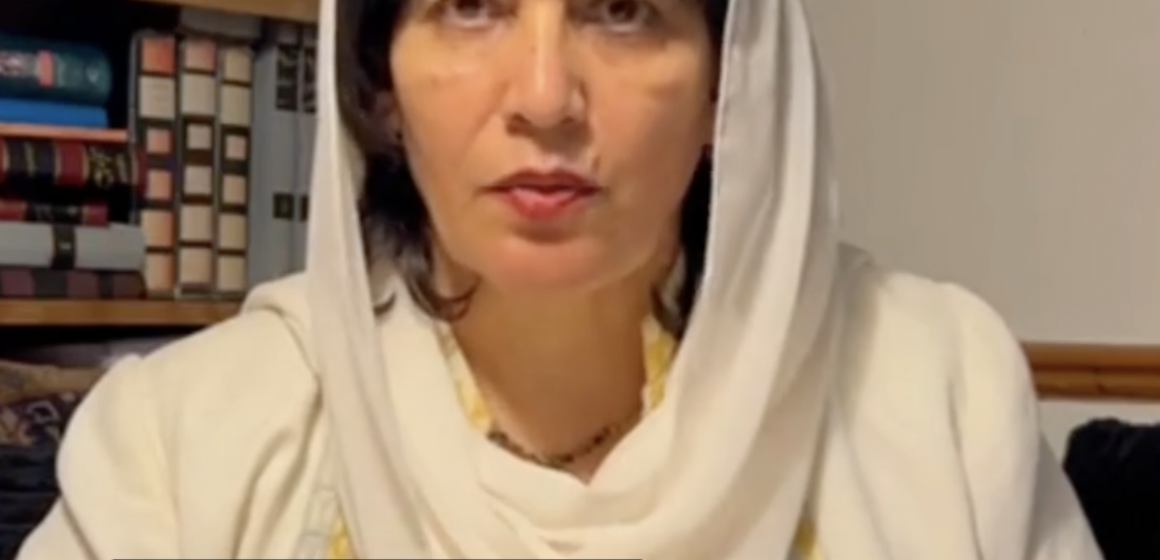
A Message From Rahela Sidiqi - 20th January 2023
Rahela Trust responds to current situation and updates on activity.
Rahela Trust responds to current situation and updates on activity.

How is education and the climate linked?
The climate crisis is not a future problem, but a lived reality for billions of people.
Already, the climate crisis is causing extreme temperatures, weather, droughts and floods across the globe, disrupting people’s lives – from livelihoods to food security to household income. These disruptions have consequences on pretty much every area of a person’s life, and one of the most important is education. An estimated 37.5 million learners already have their education disrupted by climate change every year.
These disruptions can be caused by various factors.
Damage to livelihoods, food security and household income can force families to make decisions which remove children or young people from educative environments. This could be to support household chores, finding alternative income, as well as arranging marriages. In some extreme cases, families have resorted to offering their children for child labour, selling their children or organs for money to survive issues caused by the climate. It is not surprising low income households are particularly vulnerable to this.
Moreover, damaged infrastructure, transport links or displacement can interrupt learners’ ability to physically access education facilities.
What does education have to do with the fight against climate change?
The fact that the climate impacts access to education is important, because education has been shown to support climate resilience, adaption and migration.
 Directly, formal education develops cognitive and problem-solving skills, knowledge and risk perception. Educated people are therefore more likely to respond better to weather-related disasters, including addressing and coping with risks. Indirectly, education helps to reduce vulnerability through poverty reduction, access to information and social capital. Educated individuals are associated with implementation of disaster preparedness measures; evacuation at times of emergency; diversified and better access to useful information (including weather forecasts and warnings); and greater social capital, including social support and networks. At the community level, this results in populations that are more adaptive and resilient in the preparation for, immediate response to, and aftermath of weather-related disasters.
Not only do we need to be thinking about how to prevent climate change from worsening, we also need to think about how we can best arm our populations to survive the already-changing climate.
What does education have to do with girls and climate change?
As education reduces individual vulnerability to disasters, it is important to equip girls with the opportunity to protect themselves with access to learning. Striessnig, Lutz and Patt (2013) found that girls’ education also improved household and community resilience.
Girls usually have even less access to education than boys, and the climate crisis has been found to exacerbate this further. Climate change has been seen to drive harmful processes associated with preventing girls’ education such as malnutrition; child marriage; injury, illness and death; violence and exploitation; increased poverty; and forced displacement. Other than the fact that climate justice will never be achieved without first addressing the gender dimensions within climate change and environmental degradation (Plan International, 2011), research produced by Kwauk and Braga (2017) identified a positive association between the average number of years’ schooling a girl receives in her country and the country’s ND-GAIN index, a measure of a country’s resilience to climate disasters. For every additional year of schooling a girls receives, her country’s resilience to climate disasters were expected to improve by 3.2 points.
What about the climate and Afghanistan?
In Afghanistan, there have already been six major droughts since 2000 (2000, 2006, 2008, 2011, 2018 and 2021). The 2018 drought directly affected two in every three people through failed harvests and resulting food insecurity as well as empty groundwater reserves, with almost 400,000 Afghans forced to move to other parts of the country (Amoli and Jones, 2022). The drought that began in 2021 remains a concern, particularly as many farmers had yet to recover from the previous drought in 2018 (IRC, 2021). As of December 2021, it was labelled ‘one of the worst droughts and food shortage crises in decades’ (IFRC, 2021). Afghanistan is expected to continue to see levels of warming above the global average, somewhere between 1.4°C and 5.5°C projected under the lowest and highest emission pathways, respectively (World Bank Group and Asian Development Bank, 2021).
As one of the poorest nations in the world and most impacted by climate change, educating girls in Afghanistan is vital to help strengthen Afghanistan’s resilience and ability to cope now and in the future.
REFERENCES
CAMFED on Girls’ education of climate action. Available from: https://camfed.org/why-girls-education/climate-action/
Holloway, K., Ullah, Z., Ahmadi, D. et al. (2022) ‘Climate change, conflict and internal displacement in Afghanistan’. Available from: www.odi.org/en/publications/ climate-change-conflict-and-internal-displacement-in-afghanistan-we-are-struggling-to-survive
Kwauk, Christina (2021), Why is girl’s education important for climate action. Available from: https://www.brookings.edu/blog/education-plus-development/2021/02/10/why-is-girls-education-important-for-climate-action/
Pankhurst, C. (2022), What do we know about the links between education and climate and environment change? Available from: https://www.ukfiet.org/2022/what-do-we-know-about-the-links-between-girls-education-and-climate-and-environment-change/
Sims, K. (2021). Education, Girls’ Education and Climate Change. K4D Emerging Issues Report 29. Institute of Development Studies. DOI: 10.19088/K4D.2021.044
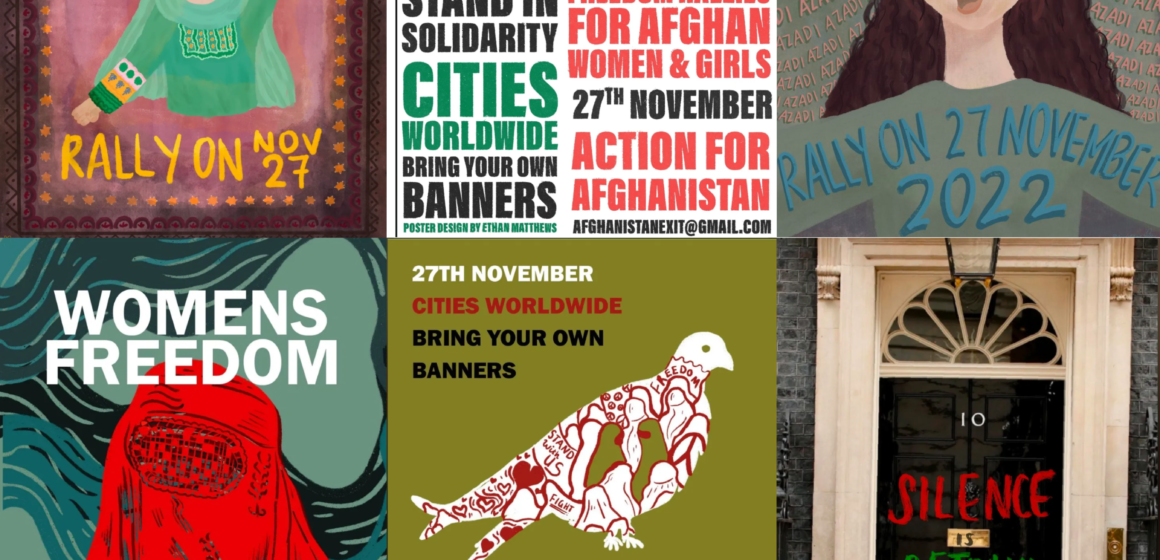
On Sunday 27th November, Zehra Zaidi, Co-founder of Action for Afghanistan organised a rally to call for urgent action against the Taliban’s violations against women’s fundamental rights and freedoms in Afghanistan. Prominent activists including Fawzia Koofi, Shukria Barakzai, Malala Yousafzai, Atefa Tayeb, Hammasa Kohistani and Sveto Muhammad Ishoq, all demonstrated their support at the event. Many other organisations showed their solidarity including Islamic Relief, Fawcett Society, and Sanctuary Foundation.
Their 3 key asks included:
1. Establish a specific asylum route for Afghan women at risk
2. Protect the Afghanistan aid budget from cuts in the Autumn statement
3. Afghanistan policy & any UK negotiation with the Taliban must centre the human rights of Afghan women + girls
Starting from Park Lane, the rally ended in Westminster with speeches from Hammasa Kohistani, Fawzia Koofi and Malala Yousafzai.
There are severe and unacceptable violations against women’s fundamental rights and freedoms in Afghanistan.
Girls REMAIN EXCLUDED from secondary education, and are now PREVENTED from entering parks, gyms, public places and being in public without a male companion. Women are confined to their homes, tantamount to imprisonment which is likely to lead to increased levels of domestic violence and mental health issues.
Taliban officers are brutally beating men accompanying women wearing colourful clothing, or without a face covering. Men are being punished for the purported offences of women. The Taliban are instrumentalising one gender against the other by encouraging men to control the behaviour, attire and movement of women in their circles (UN News, 2022).
Solidarity from all corners is needed to call for urgent change now.
Marches, rallies and protests are a proven catalyst for social change. They empower people by showing them that there are thousands of people who think the same things, help to draw attention to a political issue on a wider scale and put pressure on governments to take debate the issue and take action. Action for Afghanistan will host another march soon and we’ll be there again to show our support. We hope you will too.
#LetAfghanGirlsLearn
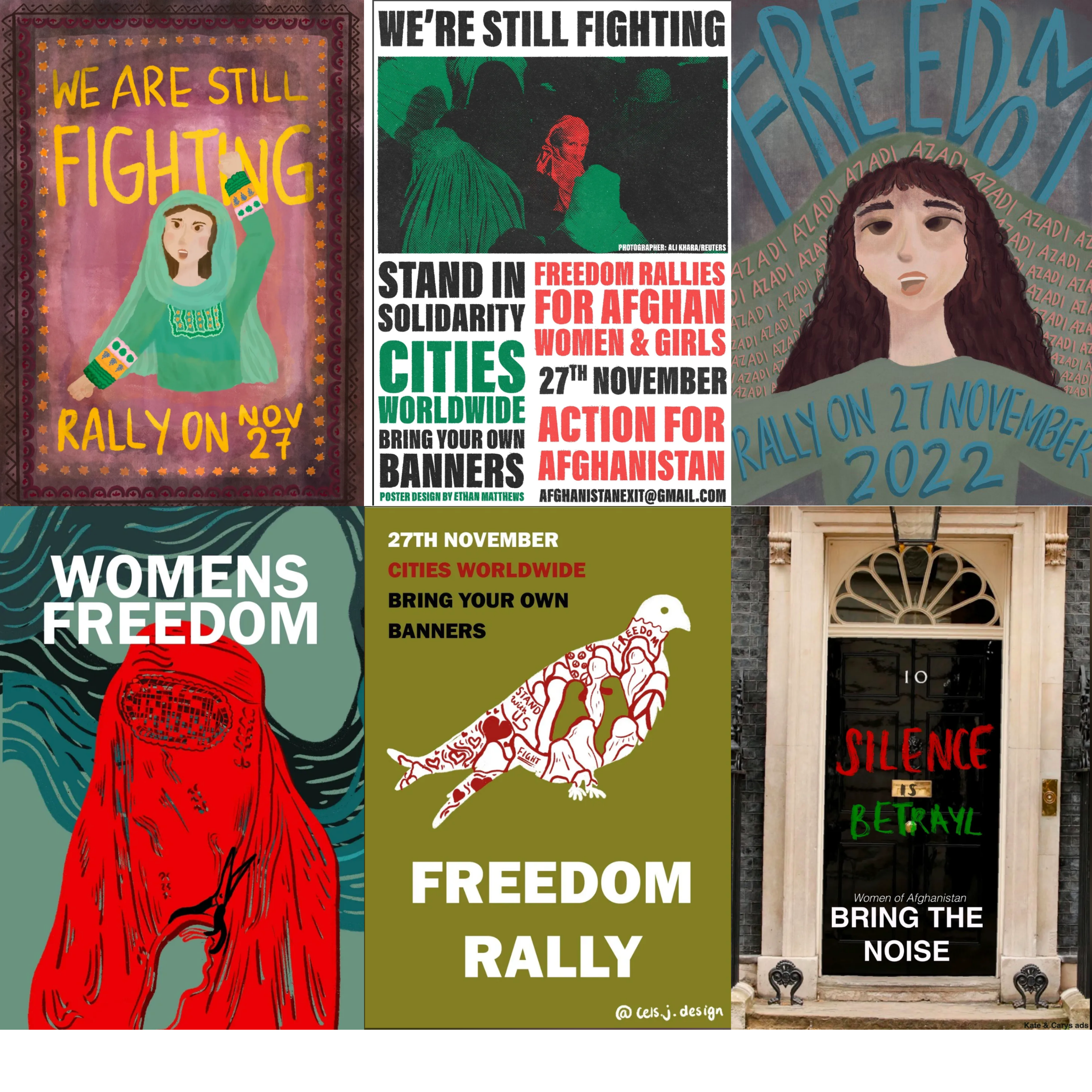
Posters were designed by the amazing University of Gloucestershire’s Design and Creative Advertising students, including:
Siobhan Smith Design
Ethan Matthews
Cels J Design
@samswancott
@caryskh_ads & @abereenedesigns
@ellie.cole.gd
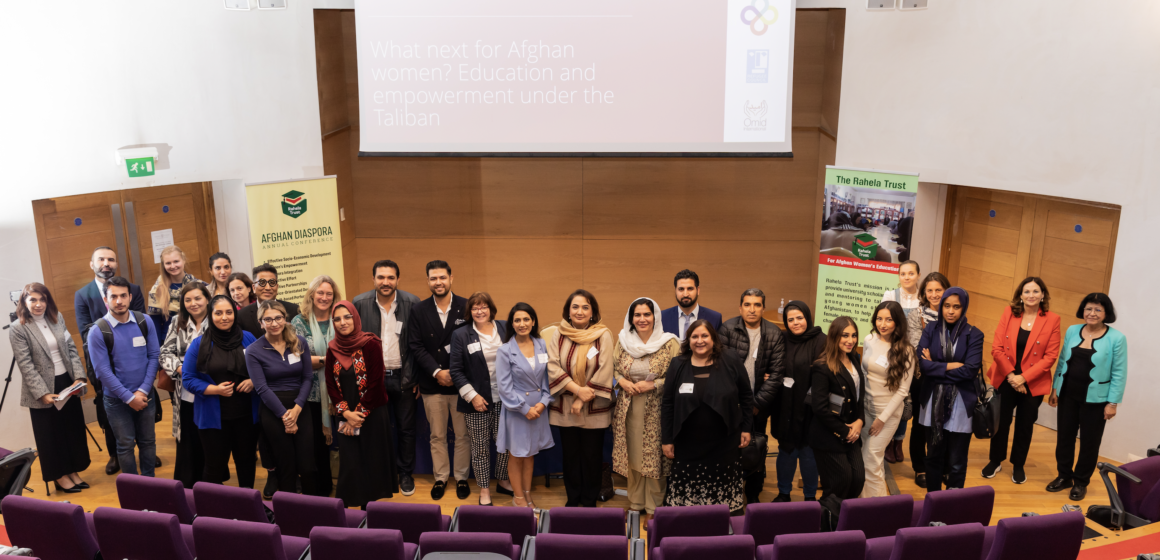
Following Queen Elizabeth II’s passing, Rahela Trust took the decision to postpone the original September conference date. After some had work and reorganisation, Monday 17th October saw us host our first conference since the pandemic.
It was a really exciting time, to meet old and new friends, colleagues and supporters, and feel the fighting energy be reignited within all of us.
We had the honour of hosting some incredible speakers and activists including Dr. Rangin Dadfar Spanta, Afghanistan’s former Minister for Foreign Affairs, Fawzia Koofi, and Shukria Barakzai.
Read and download the report on the conference below.
[vc_row][vc_column][vc_column_text]
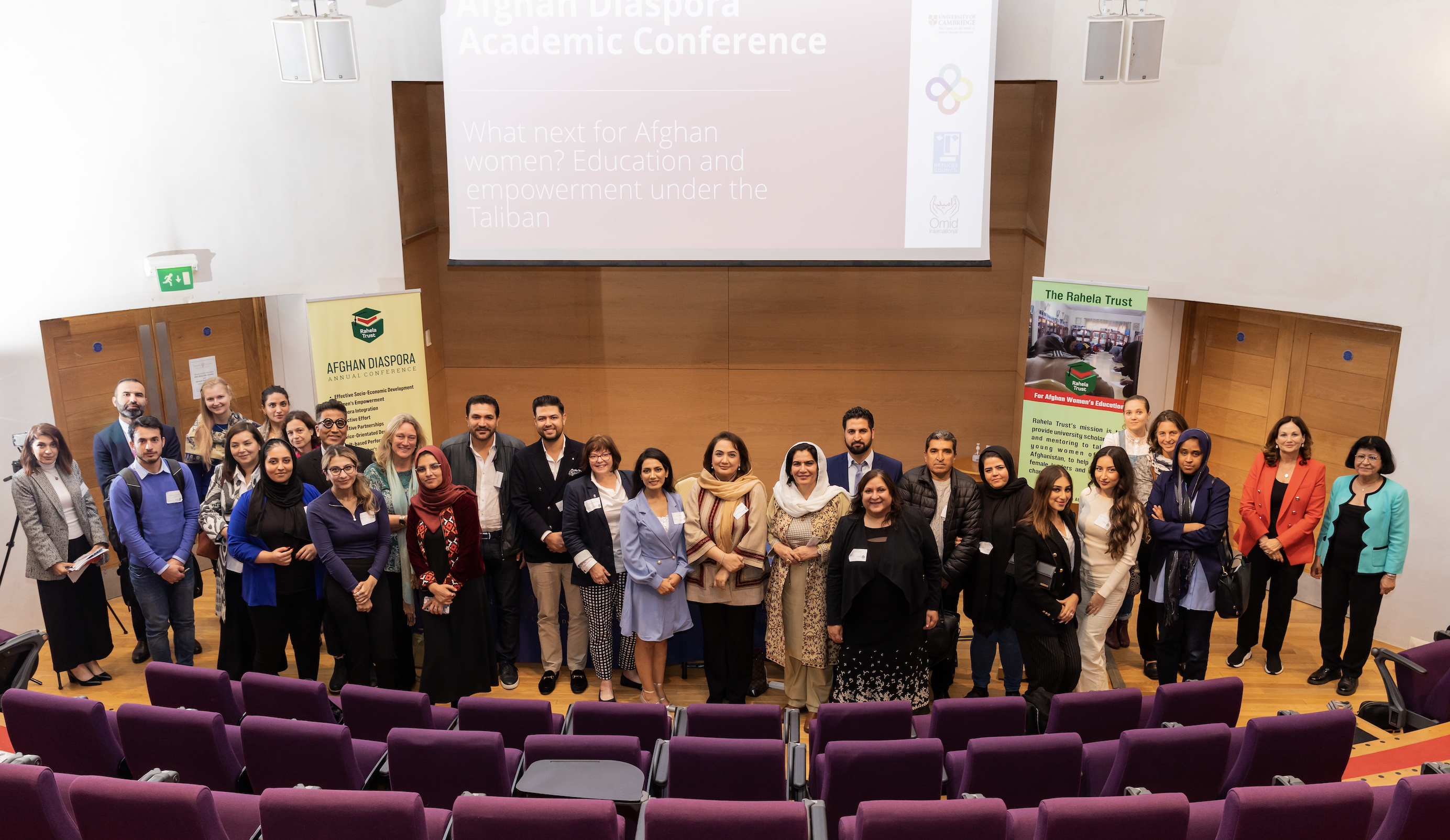
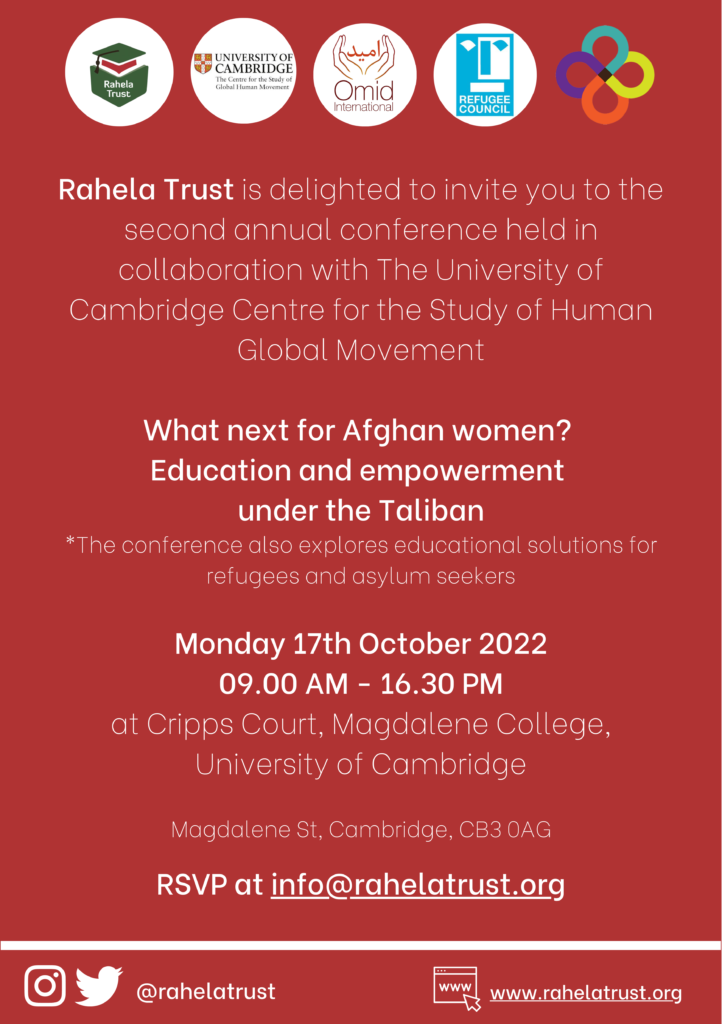
Taking place on Monday 17th October 2022, Rahela Trust and Professors at the University of Cambridge have joined forces to host our second Afghan Diaspora Academic Conference.
The conference involves high-level European conversations sponsored by the Refugee Council, with leading academics from across the Afghan diaspora outlining strategies international allies and the diaspora can adopt to facilitate Afghan women’s education and fight for human rights.
If you’re interested to attend email us at info@rahelatrust.org.
Afghanistan’s fall to the Taliban in August 2021 is working to eradicate 20 years of progress in the fight for women’s rights and academic development. Women’s liberties have been severely restricted, their human rights disregarded and paths to economic freedom curtailed. Afghan women who attempt to exercise their right to participate in civic life face the risk of violent persecution.
This conference will outline research produced by academics across the European Afghan diaspora. With an aim to not lose another generation of intelligent female minds to the Taliban and provide a source of hope to Afghan women, topics range from the options for remote learning and best-practice community-based education to barriers to effective collaboration and investment opportunities. This event seeks to consider how we can strengthen the power of Afghan women to establish the political and social changes they wish to see.
Confirmed speakers include ex-Foreign Minister of Afghanistan, Dr Rangin Dadfar Spanta, Fawzia Koofi, Shukria Barakzai and more.
[/vc_column_text][/vc_column][/vc_row]
[vc_row][vc_column][vc_column_text]
In April 2022, we launched our Ramadan Challenge with fundraising platform, LaunchGood.
We encouraged our community to donate as much as they possibly could – from a £1 and up – to help provide a university education to underprivileged, talented women in Afghanistan.
Throughout LaunchGood’s Ramazan Appeal there is a chance to double your donations if you raise the most money out of all the participating charities on that day.
Though we weren’t competition winners this year, we did manage to raise £1,364.
Thank you so much to everyone involved and to those who donated. We and the communities we support are so grateful.

[/vc_column_text][/vc_column][/vc_row]
Rahela Trust Trustees’ Annual Report & Financial StatementAPRIL 2023 – MARCH 2024 Follow the link below to download the report Trustees’ Annual Report & Financial Statements- April 2023-March 2024
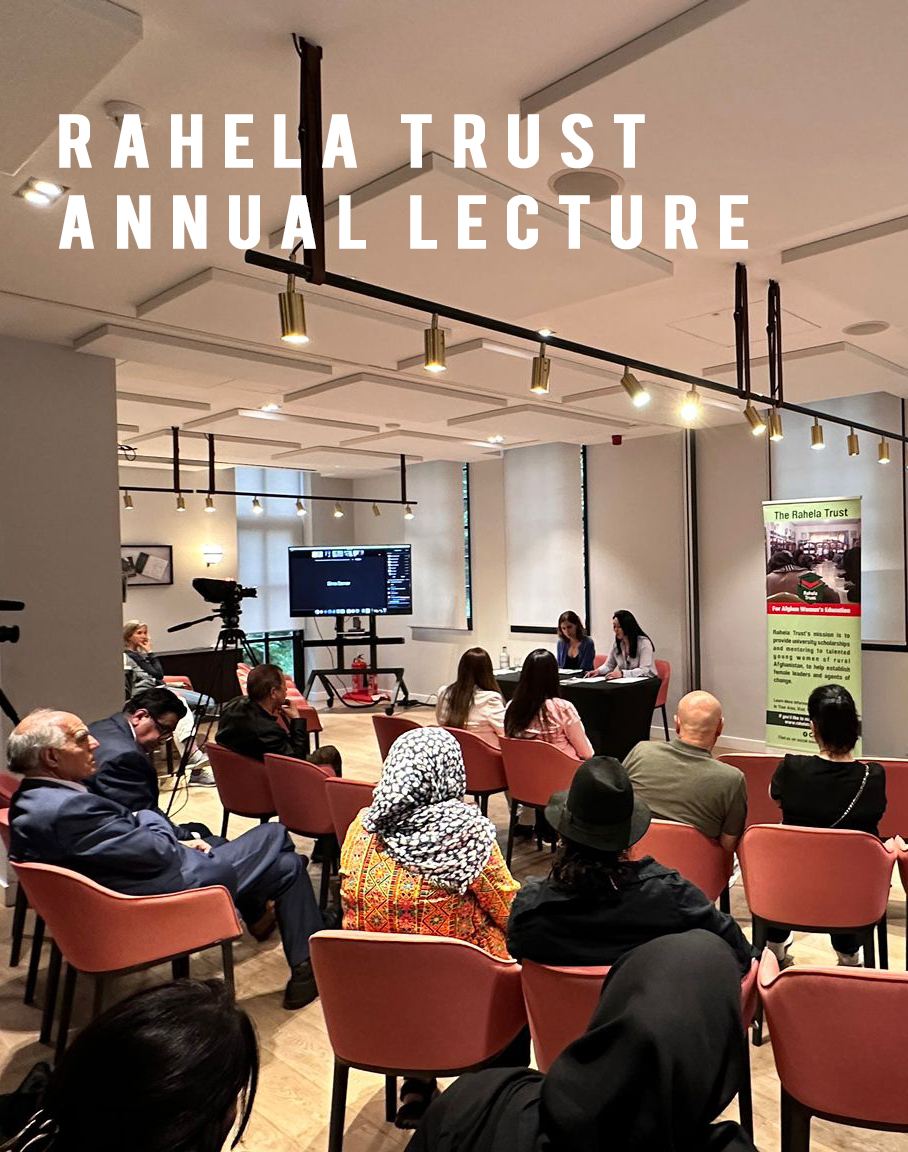
اعلان بورسیه تحصیلی راحله ترست برای زنان افغان راحله ترست با همکاری دانشگاه گوهَرشاد قرار است تا بورسیههای آنلاین لیسانس برای زنان افغان واجد شرایط که در حال تحصیل در مقاطع لسانس، ارائه دهد. این سازمان در سال 2015 توسط فعال حقوق زنان افغان، خانم راحله صدیقی، تأسیس شد و در تاریخ 26 فوریه 2016 […]
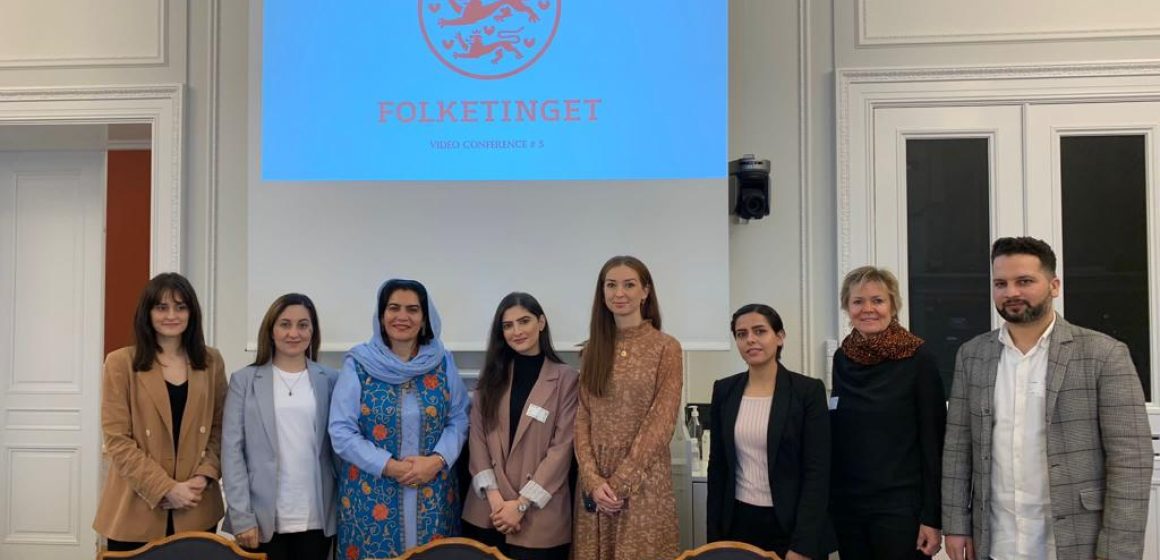
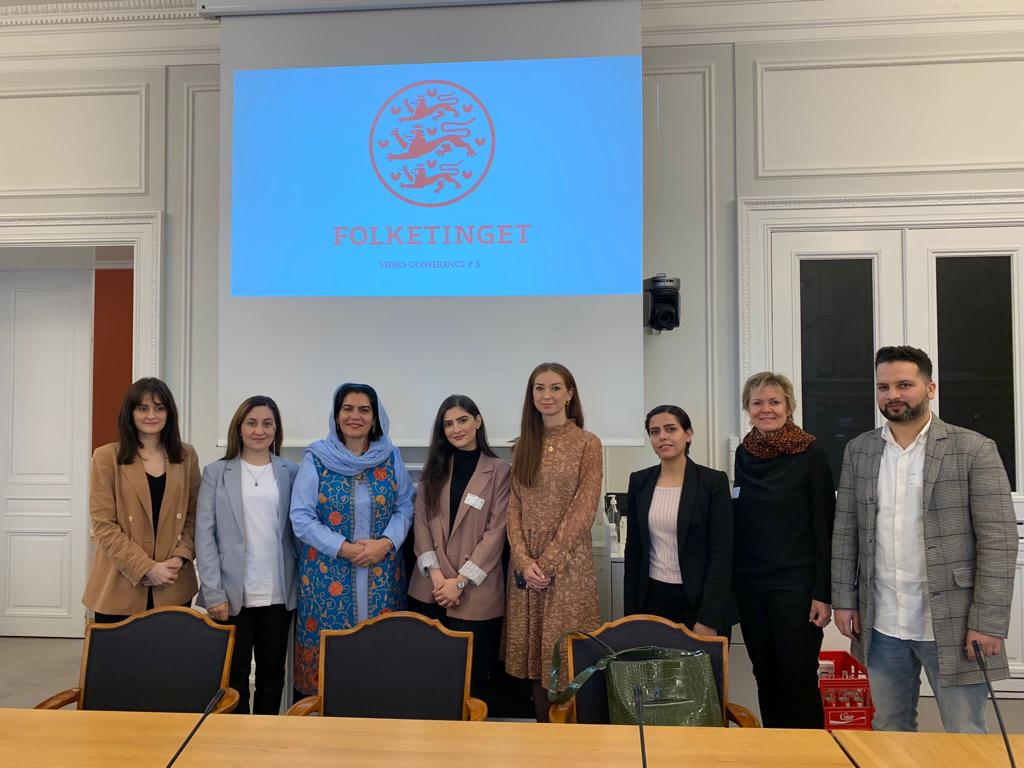
In November 2021, Gender Equality Committee of the Danish Parliament led by MP Samira Nawa, Rahela Sidiqi engaged in a public discussion between Afghan diaspora women and members of the Danish Parliament to address the situation in Afghanistan for Afghan women and girls.
The discussion provided space for testimonies from Afghan women on the situation in Afghanistan after the takeover by the Taliban – covering protection risks for women and girls; access to education and work; specific needs for the humanitarian response, concrete suggestions for future engagement and necessary accountability mechanisms.
You can read and download the full report below.
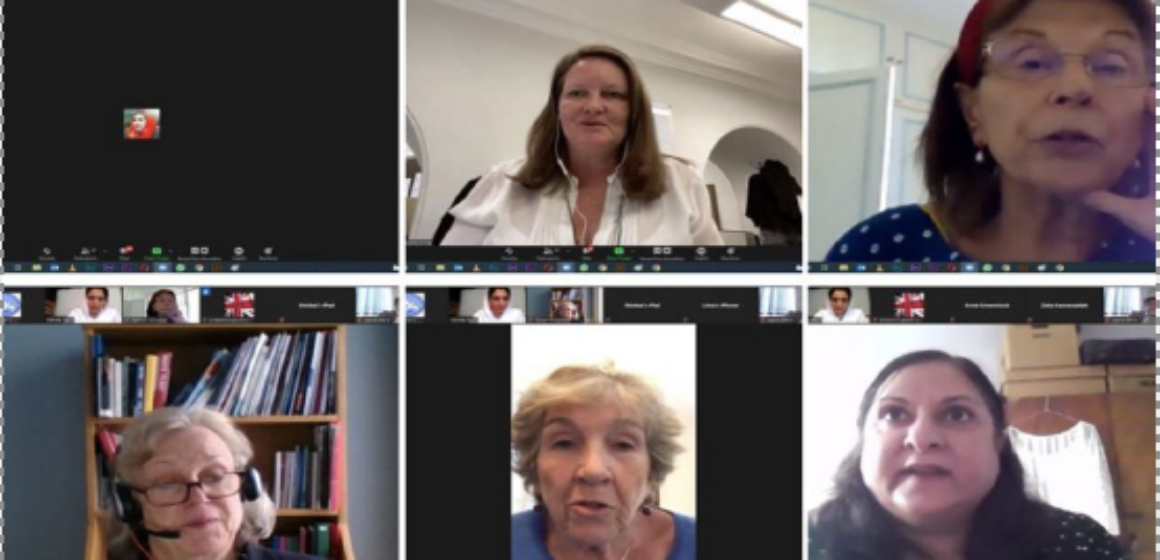
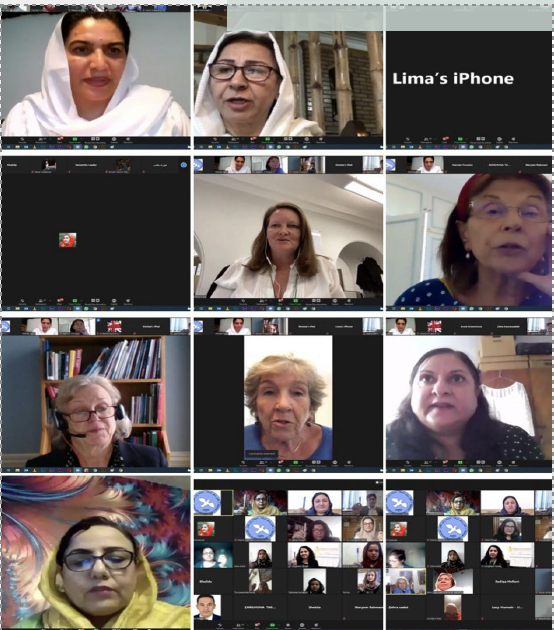
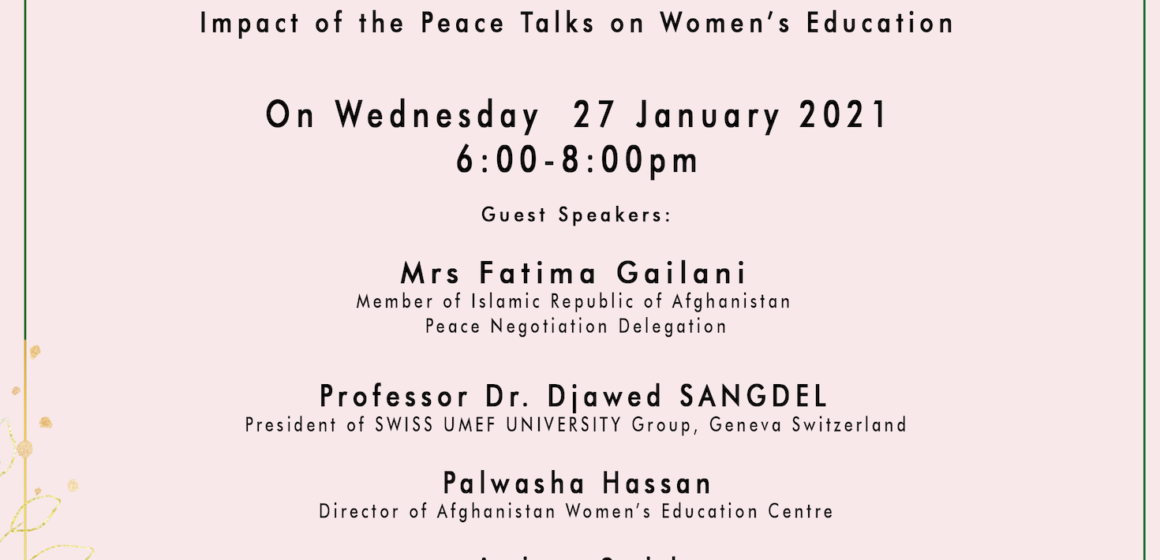
On the 6th July 2021, Rahela Trust held a virtual event exploring Afghan Women’s Concerns and Two Decades of Achievements.
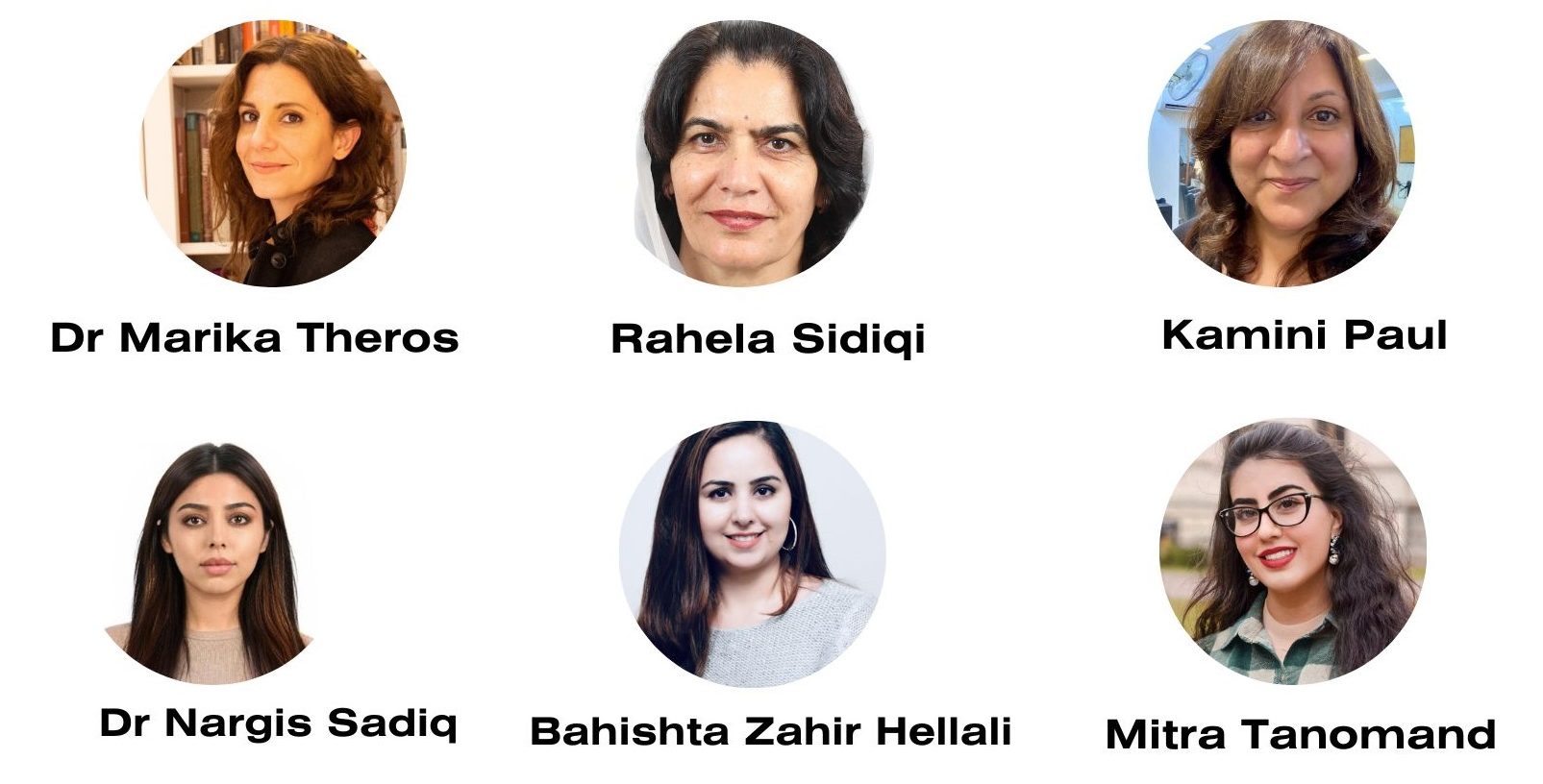
Guest speakers included:
[vc_row][vc_column][vc_column_text]
[/vc_column_text][/vc_column][/vc_row]